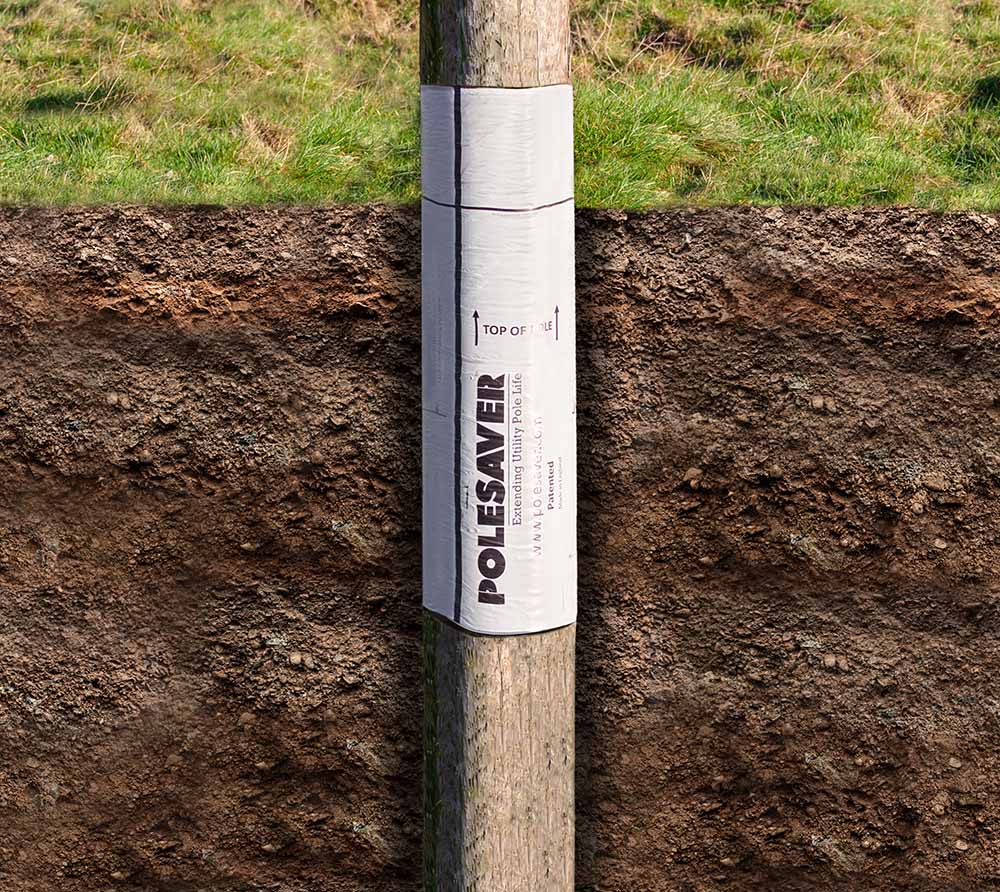
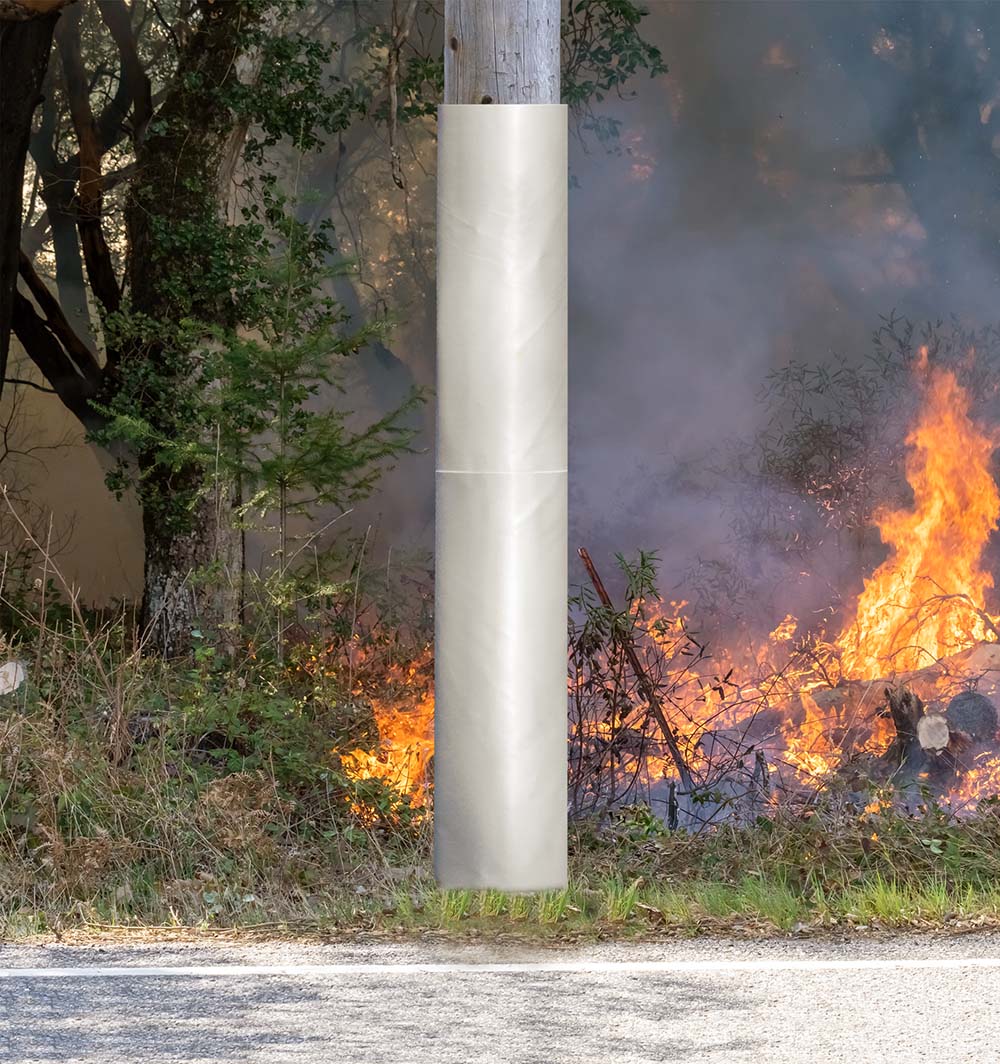
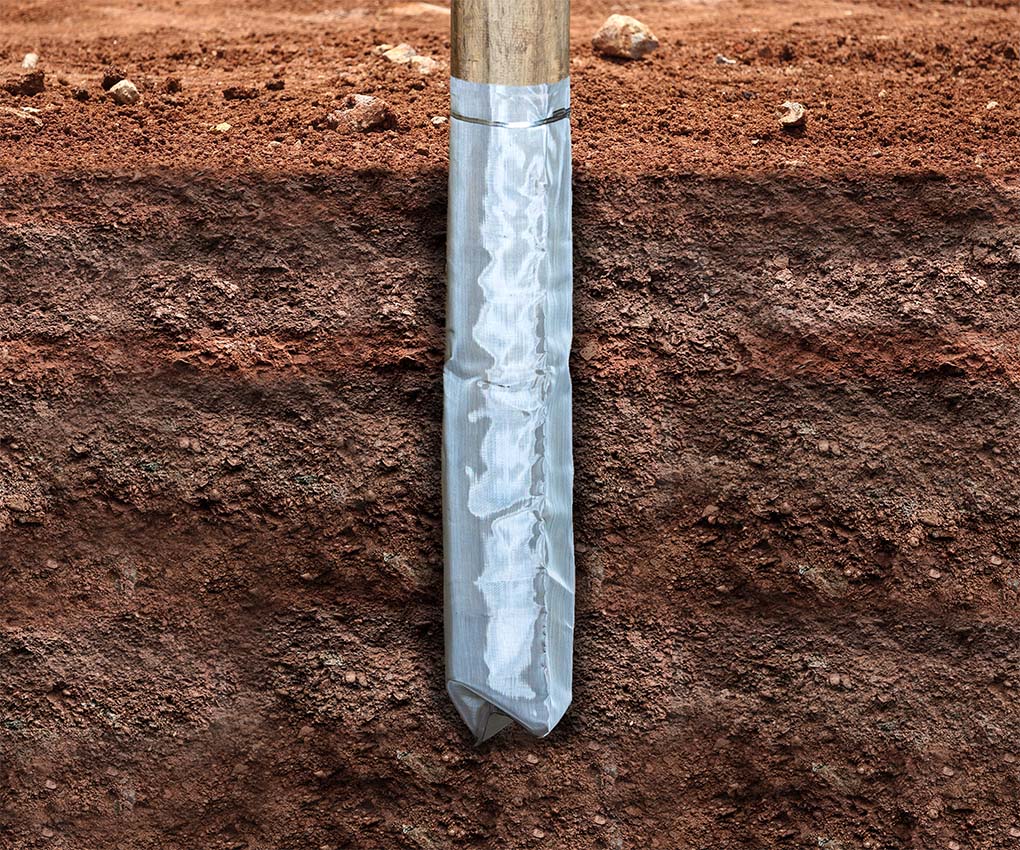
Wooden utility poles face different conditions above and below ground. At the ground line, these conditions meet, often creating the ideal environment for wood decay to develop.
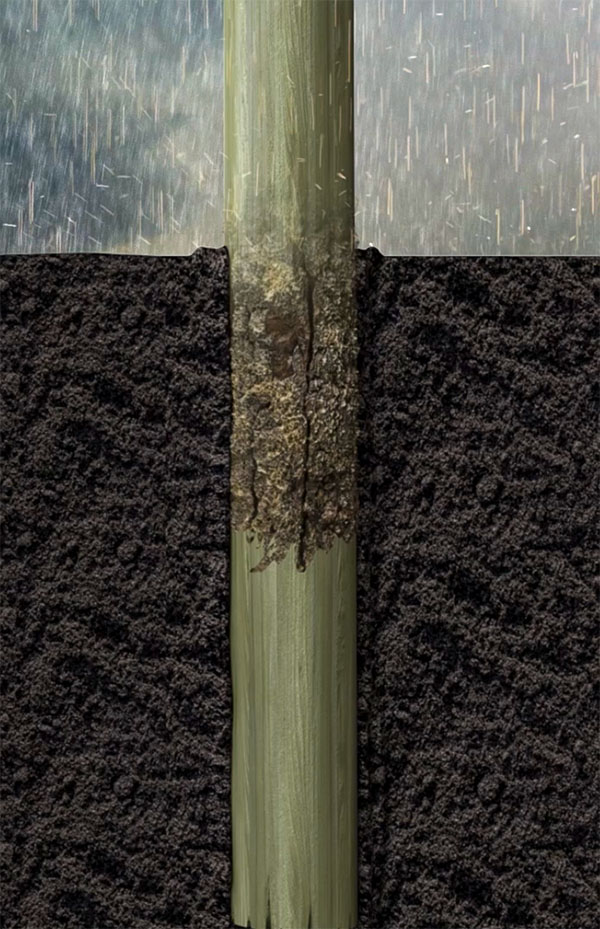
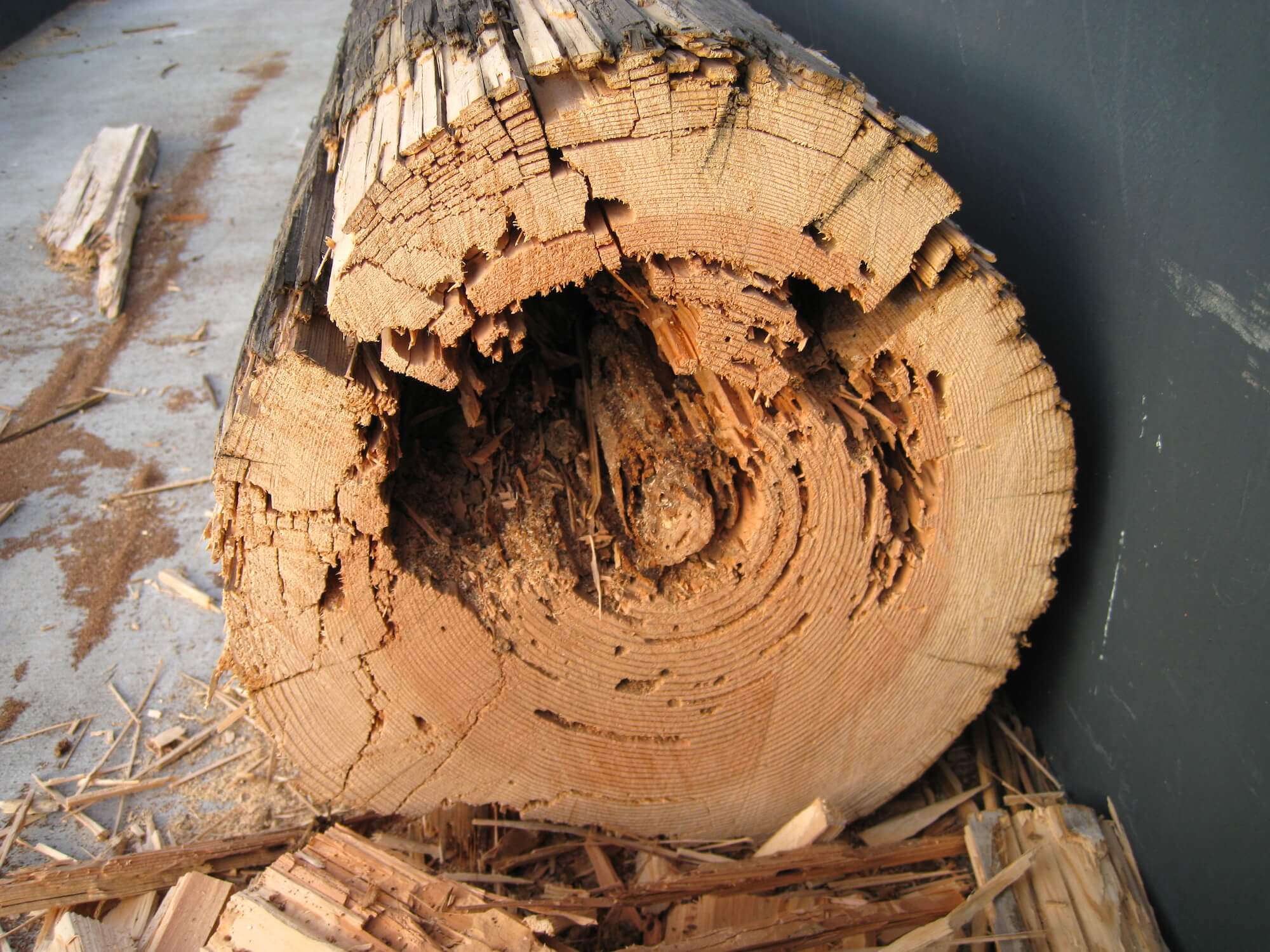
Soil naturally contains fungi and other organisms that break down dead organic matter, including wood. Some fungi attack timber, making fungal decay a leading cause of deterioration in wooden utility poles.
Wood-decaying fungi thrive in damp conditions with suitable temperatures and oxygen. These conditions are often found in the upper 150 mm (6 inches) of soil, where rainfall, warmth and air create an environment that encourages fungal activity.
Deeper in the ground, soil is generally more compacted, with less oxygen and lower temperatures. This can limit fungal activity, making the ground-line area particularly vulnerable to wood decay.
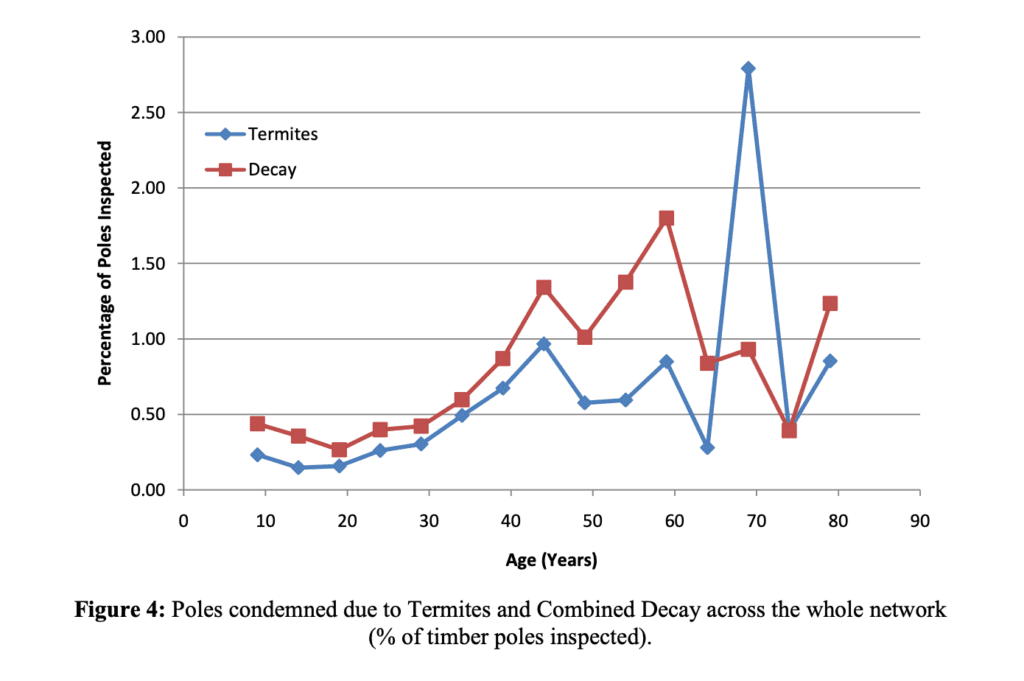
Subterranean termites can pose a significant threat to wooden utility poles in many parts of the world. Although termites generally prefer untreated wood, research suggests that timber affected by fungal decay can be more susceptible to termite attack.
Large-scale testing in Australia has demonstrated a relationship between wood decay and termite damage, with termite attacks often occurring shortly after decay begins. The ground-line section and pole top are common entry points for termites.
Maintaining effective wood preservative protection and preventing fungal decay are therefore important measures for reducing the risk of termite damage, particularly around the vulnerable ground-line section of wooden utility poles.
The risk of wood decay increases as the moisture content of the wood rises. Generally, a moisture content of 25% or higher is needed for decay to start. Once decay has started, however, it can continue even if the moisture content falls to around 20%. Below 20%, the wood is generally too dry for active decay to continue. In general, the higher the moisture content, the faster decay occurs, provided other conditions remain the same.
A wooden pole buried in the ground behaves like the wick of a candle, it absorbs water from the soil with the difference in vapor pressure causing the water to move up the pole where it is lost to the air by airflow, and warmth from the sun. This moisture movement is a slow but continual process with rainfall and heat being the main drivers.
In practice, this generally means the entire ground-line section of the pole and the inner core of the pole section, up to around 50cm or 20″ above ground, will have a higher moisture content (greater than 25%).
The above ground section of poles are also susceptible to decay over time. As wetting and drying cycles occur cracks can develop in the pole, allowing airborne fungal spores to reach the damp inner core of the wood, particularly just above ground level. When conditions are suitable, these spores germinate and the fungi begin to break down the wood from the inside. This type of decay is known as core rot
Partial protection with wood preservative is the traditional method of delaying the onset of wood decay. To be effective the preservative treatment process has to be carefully controlled to ensure correct preservative concentration (%), retention (kg/m³or PCF) level, and depth of penetration (mm or inches). For best results, the pole is dried to an optimum moisture content before treatment. Modern drying methods and the use of automated pressure treatment plants give consistent, high-quality protection from decay when correctly used.
Wood preservative treatment provides excellent protection above ground and deeper in the ground, where conditions for decay are less than ideal. It is at the mechanically critical ground line section of the pole where wood decay persists even in preservative treated poles. Exposure to higher temperatures, oxygen and moisture accelerates the oxidation of the wood preservative. At the same time, weather changes cause regular wetting and drying cycles leading to the gradual migration of wood preservative from the pole into the soil.
Water repellent products combine biocides along with natural water repellent characteristics, in the case of Creosote, or the addition of oils such as AWPA P9a oil, to create water repellence when used in combination with biocides such as Pentachlorophenol or copper. The oils are not “fixed” to the wood and on their own provide limited life extension as they are not biocides. They extend life by creating a partial barrier to moisture ingress from the ground*.
Over a longer period of time the oil/preservatives are lost as a result of migration to the soil. This effect is most pronounced at the ground-line section of the pole where climatic wetting and drying cycles combined with ideal conditions for oxidation can exacerbate this loss of effectiveness over time.
Non-water repellent water borne copper salt wood preservatives have been widely used across Europe as a more environmentally acceptable alternative to Creosote since 2005. There have been some reports of premature pole failures with early versions of these preservatives, but the use of additional co-biocides to address the issue of copper tolerant fungi and use of fixatives, along with improved treatment standards, and higher retention levels have increased pole life for newer versions. Many of the utility customers we talk to who have used these preservatives since 2005 tell us that they expect a 15 to 20 year pole lifespan with the latest versions though longer life may be achieved in reality.
For all utilities there is a relentless focus in on cost reduction, improving safety and network reliability. Even with a creosote treated pole, with an expected service life of 40 years, for most utilities wooden pole replacement is one of their single largest operating costs. In the Northern hemisphere it typically costs around €/$/£ 2500 to replace a power distribution pole, with a typical cost of around €/$/£25 million per 10,000 poles replaced per year.
To try and address the rising pole replacement cost issue in Europe, and match the service life given by creosote, preservative manufacturers have launched new products that use a combination of copper-based wood preservatives and water repellent oil. This combination should give a longer pole life than water based copper preservative alone, but how much longer is currently unknown. The uncertainty around pole life and significantly higher costs for this treatment means that utilities are continuing to consider alternative pole materials such as steel, composite or concrete, along with partial and total barrier systems.
France Telecom (Orange) is now using galvanised steel poles instead of treated wooden poles, in spite of this increasing their CO2 emissions by around 220,000 tonnes a year. This is bad for the environment and a major blow to wooden pole producers, the forestry sector and preservative manufacturers, with the loss of around 220,000 poles a year.
* Full reports available on request
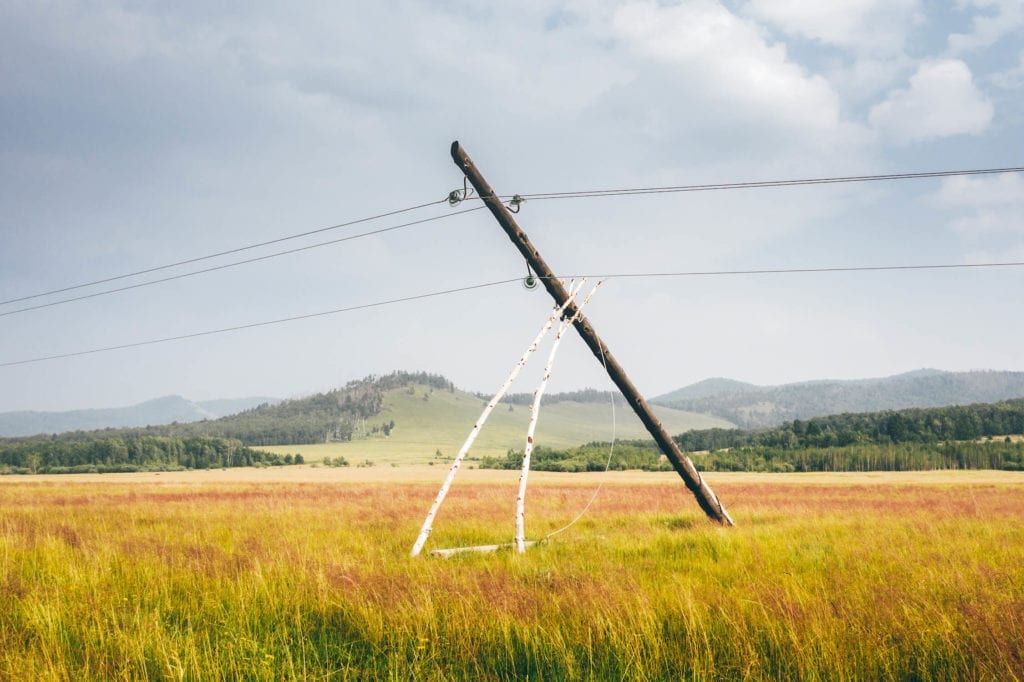
The cost to install and maintain wooden poles is one of the single highest expenditures utilities face. Using an annualised combined costing that includes installed cost, and inspection and remediation costs over the poles expected life gives a clear and easy to use figure for pole cost, and comparison against alternatives.
Using the 1000 mile North American LV distribution network as an example; our research (based on industry data) shows:
Our data shows that the maintenance costs to utilities are substantial. Although this example is specific to North America, our research has expressed similar results across a range of geographical locations.
As well as obvious costs, several potential hidden costs can also occur as a result of pole failure. Depending on market regulation, grid failure (as a result of pole collapse) may incur financial penalties for utilities. Pole collapse not only has the potential to cause grid failure, but it also presents a possibility for compromising the safety of employees and the public. The likelihood of these failures and the resulting costs can both be reduced; get in touch with Polesaver to find out how much you could save with their cost calculator for more information.


This site is protected by reCAPTCHA and the Google Privacy Policy and Terms of Service apply.