Wooden utility poles are essential to electricity distribution and telecommunications networks worldwide. Their reliability depends on maintaining the strength of the timber throughout decades of exposure to changing weather, ground moisture and biological attack.
Although preservative treatment provides important protection against decay, it does not necessarily protect every part of a pole equally. The outer sapwood can absorb preservatives relatively readily, while the inner heartwood is often much more difficult to treat. This difference can leave areas of wood vulnerable to fungal decay.
Understanding how rot develops, where it affects a pole's strength and how deterioration can be prevented is essential for utilities looking to maintain network safety and extend infrastructure service life.
Wood decay is primarily caused by fungi that break down the natural components of timber. Their activity depends on suitable conditions, including moisture, temperature, oxygen and the presence of susceptible wood.
In utility poles, decay can develop in different parts of the timber. Two important forms are core rot, which affects the inner wood, and shell rot, which compromises the outer structural shell.
The distinction matters because the location of decay can be just as important as its extent when assessing a pole's remaining strength.
Utility poles are commonly treated industrially with wood preservatives such as creosote, pentachlorophenol (PCP) or chromated copper arsenate (CCA), depending on the application, location and applicable regulations.
Treatment processes are designed to introduce preservatives into the wood, particularly the permeable outer sapwood. When correctly applied, these chemicals help protect the timber against organisms that cause decay.
However, the inner heartwood is generally less permeable than sapwood. Its cellular structure and natural characteristics can make deep preservative penetration difficult to achieve. As a result, the central wood may remain less protected than the treated outer zone.
This does not mean that preservative treatment is ineffective. It means that its protection has physical limitations, and untreated internal wood can remain susceptible to decay if moisture and fungal activity create suitable conditions.
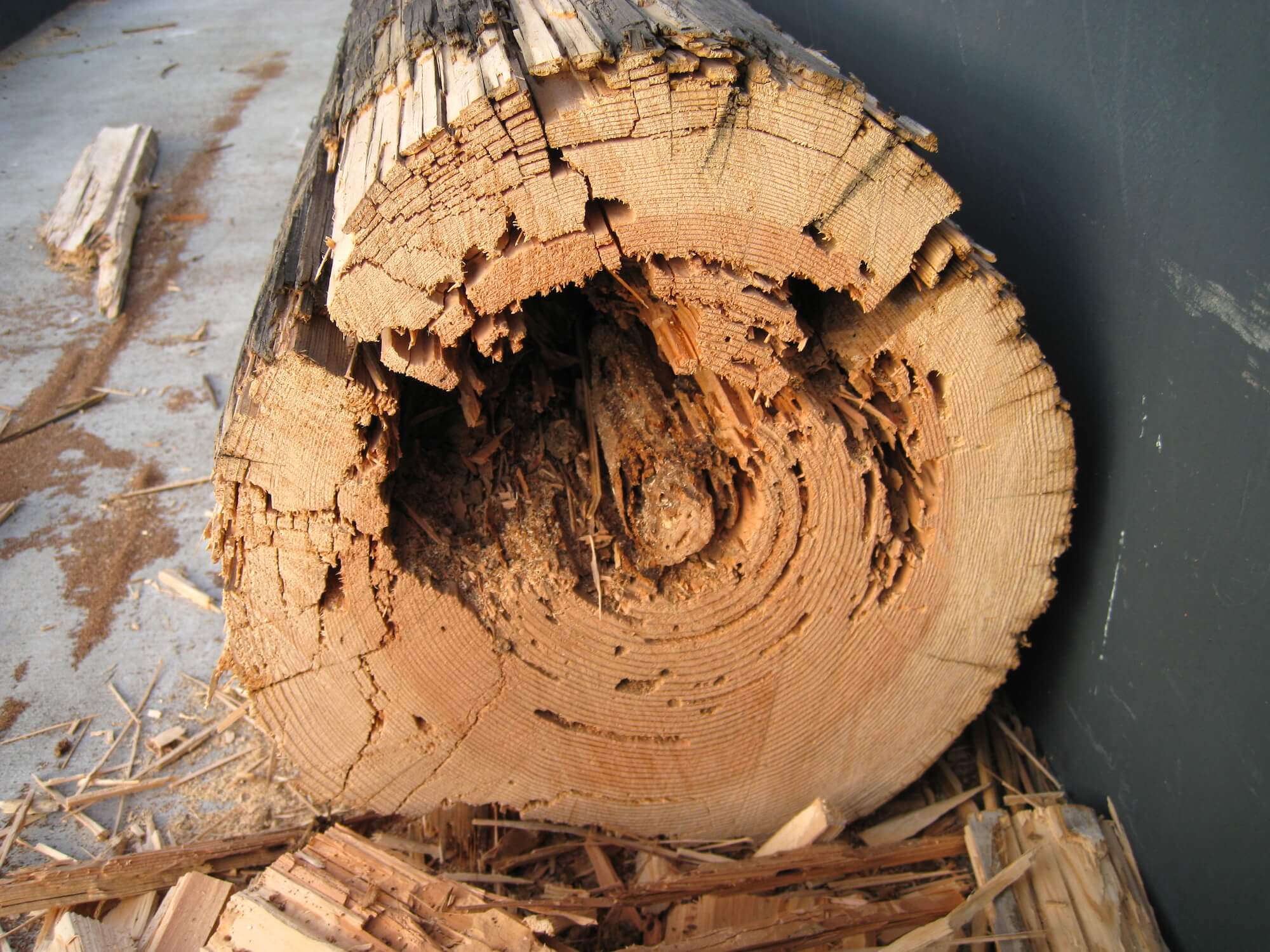
Core rot is the internal decay of a wooden utility pole. It can progress within the timber while the external surface remains apparently sound, making it difficult to identify through visual inspection alone.
Three factors are particularly relevant to its development: access to untreated wood, fungal activity and sufficient moisture.
Wood naturally changes dimension as its moisture content fluctuates. During seasoning and subsequent exposure to outdoor conditions, shrinkage and expansion can cause longitudinal cracks known as checks.
These cracks may extend through the preservative-treated sapwood and expose the less-protected heartwood beneath it.
Once exposed, the inner wood can become accessible to moisture and airborne fungal spores. Cracks therefore provide a potential route for decay to develop beyond the protection afforded by the original preservative treatment.
The depth and extent of checking vary between poles, depending on factors such as timber species, dimensions, drying history and environmental exposure.
Fungal decay requires an environment that supports biological activity. Moisture is one of the most important factors, particularly where untreated wood is exposed to sustained damp conditions.
Wood is a naturally porous material. Water can move through its cellular structure by capillary action, and the end grain can provide a pathway for moisture, including along the grain and through the end grain.
Moisture entering from the ground or through checks and other openings can contribute to conditions favourable for decay. Wood moisture content above 25% is commonly associated with an increased risk of fungal decay, although the precise threshold depends on the fungal species, wood characteristics, temperature and measurement conditions.
When sufficient moisture persists, brown rot fungi can attack the inner wood and gradually reduce the pole's structural capacity.
A wooden utility pole’s bending strength depends heavily on its outer shell. As bending stress increases towards the outside of the pole, the outer wood contributes disproportionately to its ability to withstand loads. Estimates suggest that 80–90% of bending strength may be concentrated in the outer 2–3 inches, depending on pole dimensions and properties.
Shell rot compromises the outer wood, potentially causing a substantial loss of bending strength even when the central core remains sound. Core rot weakens the inner wood and can also reduce load-bearing capacity, particularly as decay progresses. Both threaten pole integrity, but damage to the outer shell can have a disproportionately severe effect on bending resistance.
Preventing decay before it compromises structural strength is key to extending pole service life.
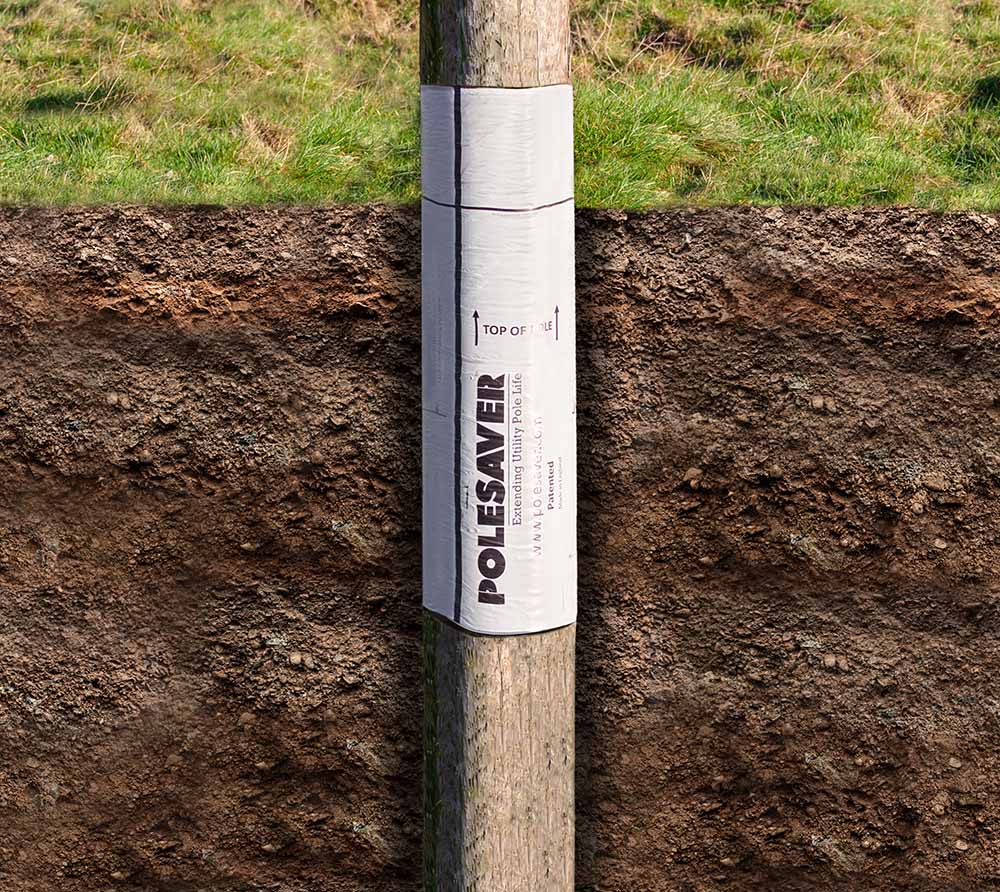
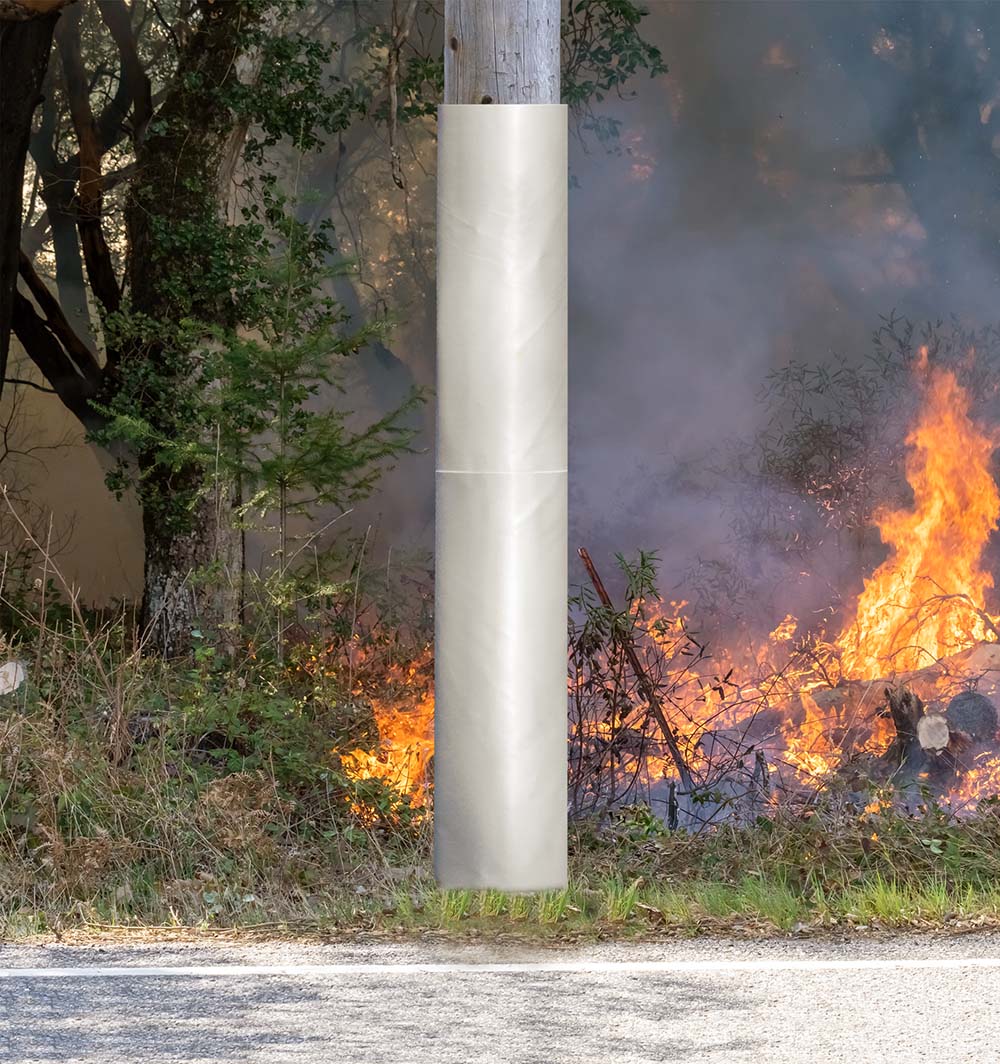
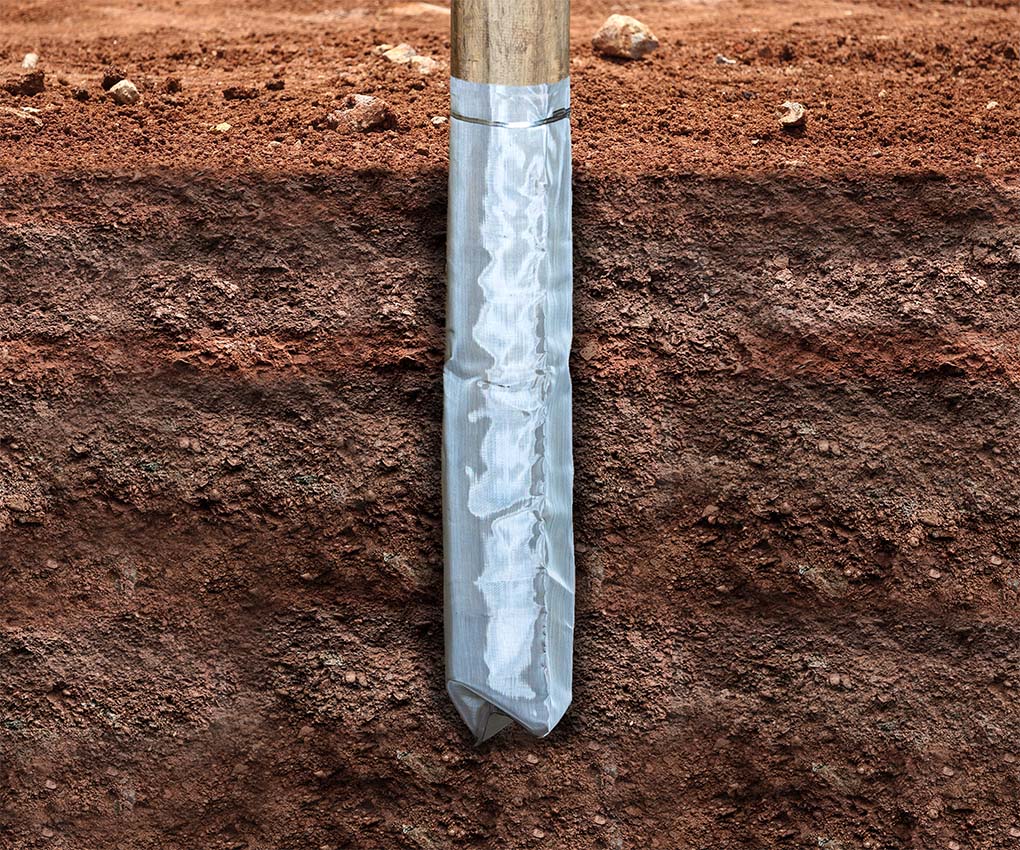
The ground-line area is particularly vulnerable to decay because of its exposure to soil moisture. Polesaver Rot-Guard sleeves provide a protective barrier around this critical section, helping limit moisture ingress and reduce the risk of decay in suitably treated wooden poles.
Combining effective preservative treatment, ground-line protection and regular inspection helps utilities manage decay risks and maintain pole integrity over the long term.
Both core rot and shell rot can compromise wooden utility poles, but protecting the outer shell is especially important for maintaining bending strength. By reducing exposure to decay-causing conditions at the ground line, Polesaver Rot-Guard helps protect suitably treated poles and supports efforts to extend their service life.




This site is protected by reCAPTCHA and the Google Privacy Policy and Terms of Service apply.